
A Guide to British Shilling Coins and Their Value in 2026
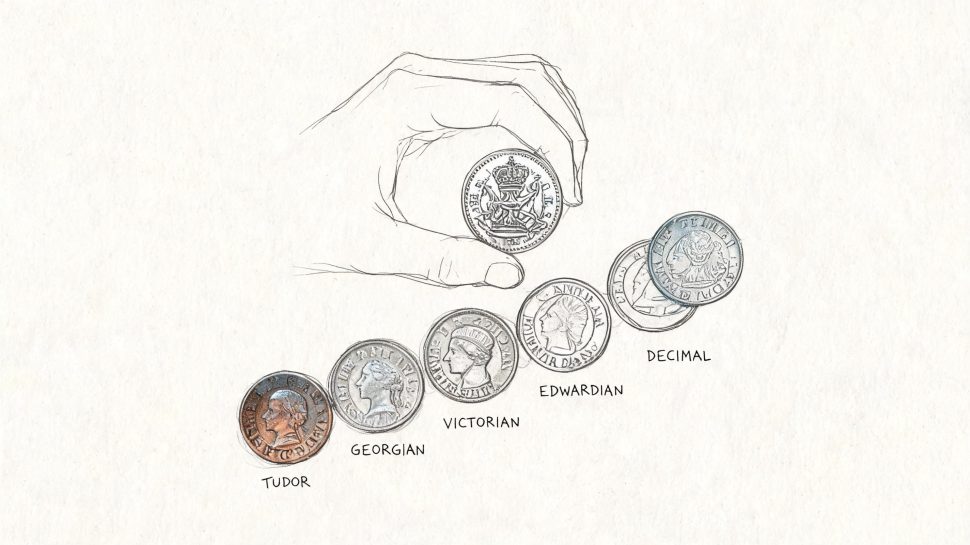
Posted by: Ian Stainton • 13 May 2026
If you've found a stash of old British shilling coins, you might be wondering if they're worth more than just sentimental value. The quick answer is yes, they absolutely can be. But their value isn't straightforward.
Depending on their age, condition, and what they're made of, these pre-decimal relics can be valuable for two very different reasons: their precious metal content or their appeal to collectors. Think of it like this: some shillings are valued for what they’re made of, while others are prized for the history they represent.
Are Old British Shilling Coins Worth Anything Today

Many people are surprised to learn that the shillings gathering dust in drawers and coin jars can be converted into cash. You can't just take them to a high street bank, though. Since being withdrawn from circulation after decimalisation, they are no longer legal tender, which is why specialist services are essential for unlocking their value.
The worth of a British shilling really hinges on its date. This single detail tells you the coin's metal composition—a key factor that separates common change from a piece with real precious metal value.
Intrinsic vs. Collectable Value
To figure out what your shillings might be worth, you first need to understand their two potential sources of value.
- Intrinsic Value: This is simply the value of the raw metal the coin is made from. Shillings minted before 1920 contain a high percentage of silver, giving them a "melt value" that changes with the live silver market price.
- Collectable Value: This is all about supply and demand from numismatists (coin collectors). A shilling from a rare year, with a specific monarch's head, or in pristine condition could be sought after, pushing its value far beyond its metal content.
The shilling itself has a fascinating history, starting life as the "testoon" around 1503. For centuries, it was a cornerstone of British money, worth 12 old pence, with 20 shillings making up one pound.
Its composition is what really matters to anyone holding them today. Coins minted before 1920 were made from 92.5% sterling silver. This was reduced to 50% silver between 1920 and 1946, before the silver was removed entirely and replaced with cupro-nickel from 1947 onwards. You can dig deeper into the coin's long history on sites like Kiddle).
This guide will show you how to tell the difference, understand what your shillings are worth, and easily exchange them for cash with a service designed for currency that banks no longer accept.
The Shilling's Journey from Silver to Cupro-Nickel
Ever wondered why some old shillings are worth a lot more than others? It’s not just about the date stamped on them—it’s about what they’re made of. Every shilling coin tells a story of Britain's economic history, from the days of empire to the aftermath of two world wars.
The coin's journey started with pure silver, but as times changed, so did the metal.

This shift in metal is the single biggest factor that dictates a shilling’s base value. It’s the reason a 1918 shilling is worlds apart from a 1948 one, even if they look almost identical at first glance.
The Age of Sterling Silver
For hundreds of years, the British shilling was a solid, reliable silver coin. Right up until the end of World War I, every shilling was minted from sterling silver, a high-grade alloy containing 92.5% pure silver.
This high silver content meant the coin's worth was directly tied to the precious metal it was made from. These pre-1920 shillings are what collectors and silver stackers look for. When you hold one, you’re holding a tangible piece of history from a time when money felt truly solid.
The Post-War Silver Reduction
The immense cost of World War I changed everything. Britain was saddled with huge war debts to the United States, and its silver reserves were running dangerously low. The government had to act, and it did so by changing the nation's coinage.
From 1920 up until 1946, the silver content in shillings was slashed from 92.5% to just 50%. These coins are often called ".500 fine" silver. They still contain a decent amount of precious metal, but their melt value is naturally lower than their older, sterling silver counterparts.
The Final Switch to Cupro-Nickel
Another global conflict, World War II, was the final nail in the coffin for silver in everyday British coins. The war's staggering expense, combined with the need to repay silver bullion borrowed from America, made silver coinage totally impractical.
So, in 1947, the Royal Mint stopped using silver altogether. Shillings were then made from a tough, cheap alloy called cupro-nickel (75% copper, 25% nickel). From this point until their final minting, shillings had the same size and weight but contained no precious metal at all.
This journey from silver to base metal is what splits shillings into three clear groups. Knowing these key date ranges—pre-1920, 1920-1946, and post-1947—is the first step to figuring out what your collection is worth. It's why services that exchange foreign coins need specialist knowledge to value them correctly.
How the Shilling Survived Decimalisation Day
If you're holding onto old British shilling coins, you might be wondering why you can't just spend them. The answer goes back to a single, major event in UK money history: Decimal Day. It was a change that still causes a bit of confusion, but it gave the humble shilling a fascinating final act.
Before 1971, Britain used the old ‘pounds, shillings, and pence’ system (£sd). In this world, a pound was made of 20 shillings, and each shilling was worth 12 pence. On 15th February 1971, everything changed. The UK went decimal, and the pound was simplified to be worth 100 "new pence".
The Shilling's New Role
So what happened to the shilling? Instead of just being scrapped, it was given a new job. In a clever move to help the public get used to the new system, shillings were made equivalent to exactly five new pence (5p).
This was a perfect swap. The new 5p coins were made to the exact same size and weight as the old shillings, so for nearly two decades, the two coins were used side-by-side. You could spend a shilling from the 1950s just as easily as a brand-new 5p coin.
Why You Can't Use Them Today
But this couldn't last forever. The end finally came in 1990 when the Royal Mint decided to introduce a smaller, lighter 5p coin. With the new coin's arrival, the old, larger-sized shillings (and the original large 5p coins) were officially taken out of circulation.
They lost their legal tender status on 31st December 1990. You can find more detail on the shilling's long history and eventual demonetisation) on Wikipedia.
This demonetisation is precisely why high street banks and the Post Office won't accept your shillings. Their systems are only built for current, legal tender coins, and the shilling hasn't been legal tender for decades.
This leaves anyone with old shillings in a tricky position. The coins are no longer 'money' in the official sense, but they certainly aren't worthless. Their value now comes from their metal content or their appeal to collectors, which is why a specialist service is the only practical way to exchange leftover currency like old shillings. We fill the gap left by the banks, making sure your old coins can be turned back into cash.
How to Identify Your Shilling Coins
So, you've found a pile of old shillings. Where do you even begin? It might feel like a job for a history expert, but you can quickly figure out what you have with just a couple of simple checks.
The secret lies in two key details: the date on the coin and the monarch's head. These two things tell you pretty much everything you need to know, from its metal content to its place in history.
It's All About the Date
The single most important detail on any shilling is the year it was minted. This date is your shortcut to knowing whether it's made of valuable silver or just a common cupro-nickel alloy.
For a quick first sort, just separate your coins into three piles based on these dates.
- Before 1920: Any shilling dated 1919 or earlier is made from 92.5% sterling silver. These are the ones you're really looking for, as their value comes from their high silver content.
- 1920–1946: Shillings from this era contain 50% silver. While not as valuable as the older ones, they still have significant precious metal value.
- 1947 onwards: If your shilling is dated 1947 or later, it’s made of cupro-nickel and contains no silver. Its value is minimal unless it's an uncirculated example or a very rare date.
This simple check helps you get a rough idea of what you're working with. Of course, you don’t need to sort them before sending them to us, but many people find the discovery process quite fascinating.
The infographic below shows how the shilling’s role evolved and eventually ended with decimalisation.

This helps explain why you can no longer spend them in shops or cash them in at the bank – they are from a completely different monetary system.
To help you get started, here's a simple table to quickly identify your coins.
Identifying British Shillings at a Glance
| Date Range | Metal Composition | Key Identifying Feature | Primary Value |
|---|---|---|---|
| Pre-1920 | 92.5% Sterling Silver | Older monarch portraits (e.g., Victoria, Edward VII) | Based on silver content (high) |
| 1920-1946 | 50% Silver | Portraits of George V and George VI | Based on silver content (moderate) |
| Post-1947 | Cupro-Nickel (0% Silver) | Portraits of George VI and Elizabeth II | Minimal, unless a rare date or mint condition |
As you can see, the date is the biggest clue to a coin's potential worth.
English vs. Scottish Shilling Designs
While you're sorting, you’ll probably spot two different designs on the back of the coins, especially from the reigns of George VI and Queen Elizabeth II. These are the English and Scottish shillings.
Although minted as legal tender across the whole of the United Kingdom, these two versions were produced to celebrate the distinct heritage within the union. Both versions have the same value and metal composition based on their year.
- The English Shilling: Usually shows a shield with three lions (the Royal Arms of England).
- The Scottish Shilling: Features a single, proud lion rampant, the traditional symbol of Scotland.
These design differences are a nice touch for collectors but don't typically affect the coin's melt value, which is still determined by its date.
For a deeper dive into what your specific coins might be worth, take a look at our complete guide on pre-decimal coin values. This resource can help you understand the small differences that matter. Sorting your British shilling coins is the first real step toward turning that forgotten history into cash.
How to Convert British Shilling Coins into Cash
Right, so you’ve learned a bit about your shillings and what they might be worth. The next logical step is turning that old currency into actual cash.
We’ve made our service as straightforward as possible because, let's face it, nobody wants a complicated process. You don't need to be a coin expert or spend hours sorting through everything.
Our entire system is designed around a simple, four-step plan, whether you have perfectly sorted silver shillings or just a mixed bag of coins and old holiday money.
Step 1: Gather Up Your Currency
This is the easy part. Just pull together all the old coins and banknotes you want to exchange. This can be your shillings, other pre-decimal coins, and any leftover foreign currency from past trips.
There’s absolutely no need to sort or count anything unless you want to. We process everything by weight, which is why individuals, charities, and even businesses use our service for large, mixed collections. It saves a huge amount of time.
Step 2: Get a Free Quote Online
Next, pop over to our website and use the online calculator. You can select the currencies you have, enter the weight, and get an instant quote. It’s completely free and there’s no obligation.
We update our rates regularly to reflect current market values, so you can be confident you’re getting a fair price. This transparency is a key reason why major organisations trust us with their currency.
Step 3: Send Your Currency to Us
Once you’re happy with the estimate, it’s time to post your currency. Pack your coins and notes securely in a tough jiffy bag or a sturdy box so they arrive safely. We always recommend using a tracked service for extra peace of mind.
Our process is trusted by major UK charities and businesses who rely on our secure and efficient handling of their currency donations and collections. We treat every package with the utmost care from the moment it arrives.
Step 4: Receive Your Payment
This is the final step. As soon as your package arrives, our team gets to work verifying the contents and confirming the final value. We then send your payment within five working days, either directly to your bank account or through PayPal. It’s that simple.
Our whole system is built to exchange leftover currency quickly and efficiently. For more tips on packing your items securely, take a look at our detailed guide on how to sell old coins.
Why You Can Exchange Shillings with Us but Not at a Bank
Ever found a stash of old British shilling coins and taken them to your local bank or Post Office, only to be politely turned away? It's a frustratingly common story.
The reason is simple. High street banks and exchange bureaus are only set up to deal with current, circulating money. Their systems are built for the pounds and pence we use today.
Once a coin is withdrawn from circulation, as the shilling was in 1990, it’s no longer part of that system. For a bank, it's effectively not money anymore.
The Specialist Difference
This is where we come in. We aren't a bank; we're currency specialists. Our entire service was designed to handle the exact coins and notes that traditional banks can't.
So, how do we find value where others can't? We don't rely on putting coins back into circulation. Instead, we have a completely different process:
- Valuation: First, we identify what your shillings are made of. We separate the valuable silver coins from the more common cupro-nickel ones.
- Collector Networks: Any rare or high-grade shillings are offered to our network of numismatists—collectors who value coins for their history, not just their metal.
- Smelting Partnerships: For the bulk of old silver coins, we work directly with smelters. They melt the coins down to extract the pure precious metal, unlocking their true melt value.
This unique approach is why we're a trusted partner for individuals, businesses, and many of the UK’s largest charities. We help everyone from supermarkets and airports to police forces convert old and foreign currency that would otherwise be a worthless headache.
In short, we operate in a completely different part of the currency world. While banks are focused on the money moving around today, we specialise in giving old currency a new life. We turn historical artefacts and leftover cash back into something useful, providing a fast and simple service for everyone.
Frequently Asked Questions About British Shillings
Got a few lingering questions about those old shillings you've found? You're not the only one. Here are the answers to the queries we hear most often from people looking to understand what their coins are worth.
How Much Is a British Shilling Worth Today?
This is the big question, and the answer is all about the date. It creates a clear dividing line for value.
Shillings minted before 1947 contain silver, which gives them a guaranteed intrinsic value based on their metal content. Any shilling dated after 1947 is made from cupro-nickel and, unless it's in perfect uncirculated condition, has very little value. A pre-1920 sterling silver shilling will always be worth far more than one from the 1950s.
Can I Still Take Old Shillings to a UK Bank?
In short, no. UK banks, Post Offices, and high street currency exchanges will not accept old shillings. They were officially demonetised and withdrawn from circulation on 31st December 1990.
Their systems are only set up to handle current, legal tender currency, which means old money like shillings simply can't be processed.
Are Shillings from Before 1947 Really Made of Silver?
Yes, they absolutely are. This is the key detail that gives them their value. There are two tiers of silver content to look for:
- Shillings dated 1920–1946 are made of 50% silver.
- Shillings dated before 1920 are made of 92.5% sterling silver.
It's this precious metal content that gives these older coins a solid value linked directly to the live silver market price.
What Is the Difference Between an English and a Scottish Shilling?
The difference is purely cosmetic, found on the reverse (tails) side of the coin. The English design features three lions, while the Scottish version shows a single lion rampant.
Both were minted in the same years, have the exact same metal composition, and are worth the same amount. There's no value difference between them.
Don't worry about sorting them. Our hassle-free service accepts both designs, along with all your other unsorted coins, banknotes, and withdrawn currency. We do all the identification and sorting for you.
How Does the Exchange Process Work with Us?
We've made it as simple as possible.
- Gather up all your old coins and notes.
- Use our online calculator to get a free, instant quote.
- Pack your currency and post it to our UK processing centre.
- We verify everything and send your payment straight to your bank or PayPal.
How Long Does It Take to Get Paid for My Coins?
It’s fast. Once we receive your currency, our team processes it and issues your payment within five working days.
Can I Donate the Value of My Old Shillings to Charity?
Absolutely. It’s a fantastic way to support a good cause. We partner with a wide range of UK charities, making it easy to donate foreign coins to charity.
You can choose to send the full exchange value of your old currency directly to the charity of your choice during the checkout process.
Ready to turn that forgotten history into real cash? We Buy All Currency makes it easy to exchange leftover currency like old shillings, foreign coins, and withdrawn banknotes. Get your free, no-obligation quote today.