
Exchange your Algerian Dinars
Looking to exchange your Algerian Dinars? We offer a quick and efficient service for exchanging both current and withdrawn Algerian Dinar banknotes and Algerian Dinar coins. Whether you’ve returned from a trip to Algeria or have leftover DZD from previous travels, don’t let it go to waste. With our hassle-free exchange process, you can easily convert your Algerian Dinars into local currency, ready to use. It’s the fastest way to ensure that your leftover foreign currency turns into spendable money.
د.ج - DZD
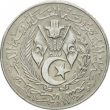
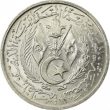
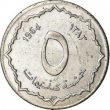
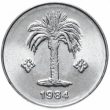
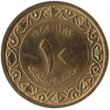
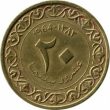
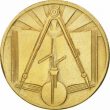
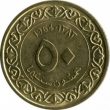
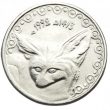
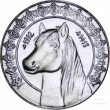
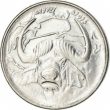
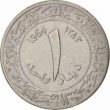
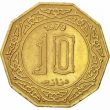
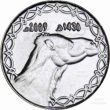
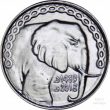
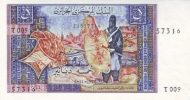
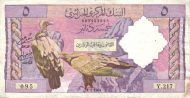
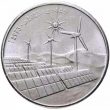
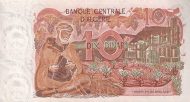
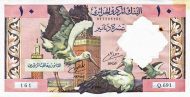
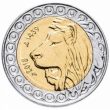
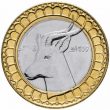
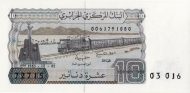
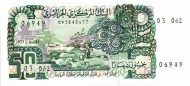
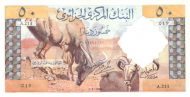
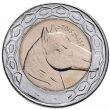
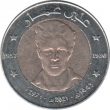
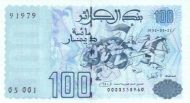
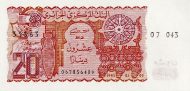
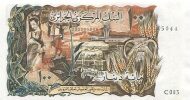
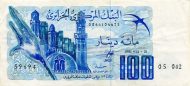
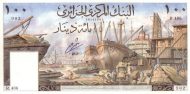
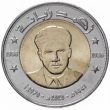
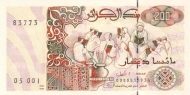
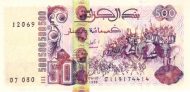


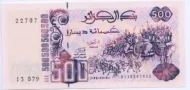
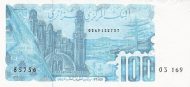
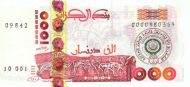


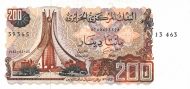
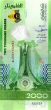
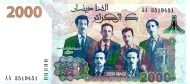

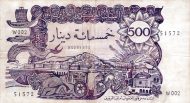
Introduced in 1964, the Algerian Dinar has served as Algeria’s official currency ever since and continues to underpin the country’s monetary system.
Algerian Dinars Information
The Algerian Dinar DZD has been the official currency of Algeria since 1964, introduced shortly after independence to replace the Algerian franc and establish a fully sovereign monetary system. Unlike many currencies that evolved gradually, the dinar was part of a broader economic reset, aligning Algeria’s financial infrastructure with its post-colonial identity.
Although the dinar is formally divided into 100 centimes, these smaller denominations have largely disappeared from everyday use due to inflation and changing purchasing power. In practice, modern transactions are centred around higher-value coins and banknotes, with coins typically issued in denominations up to 100 dinars. Banknotes form the backbone of day-to-day spending, ranging from 100 to 2,000 dinars and widely used across retail and services.
Responsibility for issuing currency sits with the Bank of Algeria, which has periodically redesigned both coins and banknotes to reflect economic changes and improve resilience in circulation. More recent issues place greater emphasis on durability and anti-counterfeiting measures, while maintaining a strong visual link to national themes. Across both coins and notes, designs frequently highlight Algeria’s independence movement, industrial development, agricultural heritage, and natural environment, creating a consistent narrative across denominations.
The role of the dinar within the wider economy is closely tied to Algeria’s position as a major exporter of hydrocarbons. Oil and gas revenues influence state finances and, indirectly, the stability and valuation of the currency. As a result, the dinar’s external value can shift in response to global energy markets, even though it remains firmly anchored within the domestic economy.
Within Algeria itself, the dinar functions as the sole medium of exchange for everyday transactions, with limited convertibility outside the country. This means that leftover currency held by travellers or businesses often cannot be easily exchanged through traditional banking channels abroad, particularly in the case of coins. Despite this, the dinar continues to underpin all aspects of internal trade, from small cash purchases through to larger commercial activity, making it a central component of Algeria’s financial system.