
The Size of British Coins: A Complete UK Guide (2026)
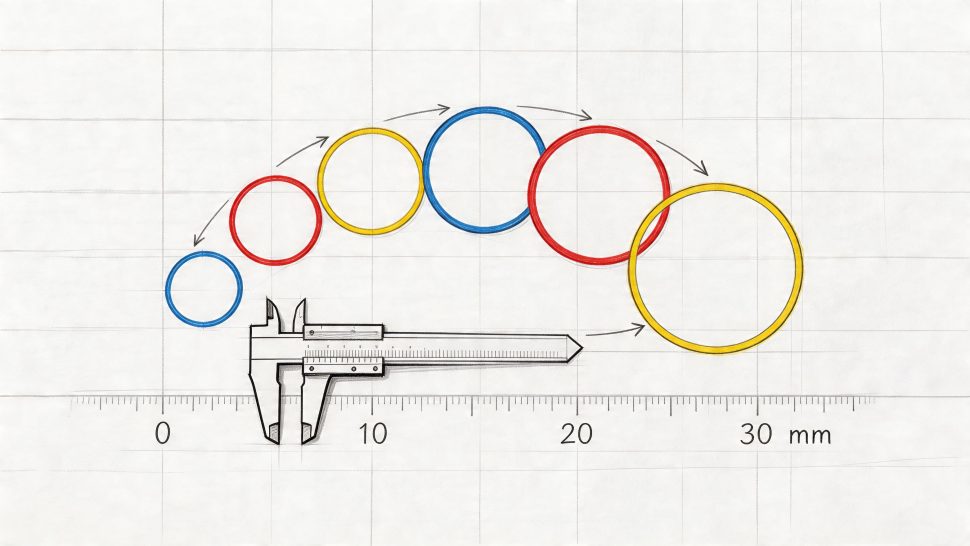
Posted by: Ian Stainton • 22 Apr 2026
You find a biscuit tin of coins while clearing a relative’s house. Some are current UK change, some look older, and a few could just as easily be foreign. The bank will usually refuse loose mixed coins like that, and the post office will not sort out what is current, withdrawn, collectible, or exchangeable for you. That is why people search for the size of british coins in the first place. They need a fast way to identify what they have and whether it can still be turned into cash.
For practical sorting, coin size is only the starting point. Diameter helps you narrow a coin down quickly, but weight, metal and edge type are what stop costly mistakes. In mixed lots, that matters a great deal. Older British denominations often sit in the same tray as decimal coins, foreign coins and withdrawn pieces, and they can look close enough to confuse anyone sorting by sight alone.
The useful question is not just “how big is this coin?” It is “what does its size, weight and composition tell me about whether it is spendable, withdrawn, collectible, or suitable for exchange?” That is the difference between a collector’s description and a real-world cash-out process.
A quick practical example helps. A shilling, an old bronze penny and a farthing are all common finds in inherited jars and tins, but they differ clearly once you check the physical specification. If you are sorting a mixed batch at home, a reference such as this UK coin weight guide is far more useful than trying to guess from portraits or dates alone.
That is the approach used by specialists who handle unsorted coin collections every day. Measure first. Separate by metal and era next. Then decide what belongs in a spendable pile, what needs exchange, and what may carry collector value beyond face value.
Why British Coin Size and Weight Really Matter
Many might assume coin size is just a collector’s detail. In practice, it’s one of the fastest ways to identify what’s in front of you and whether it belongs in a spendable pile, a withdrawn pile, or a collectible pile.
That matters because British coins overlap across different eras. Some old denominations look close enough to later decimal coins that people mix them together without realising. Once that happens, face value becomes less useful than physical specification. Diameter, weight and metal tell you more.

Identification starts with the physical spec
When I assess mixed coin lots, I don’t start with dates. I start with what the hand can spot quickly.
- Diameter first: A larger coin often narrows the field immediately.
- Weight second: This helps separate coins that look similar in a tray or bag.
- Metal and edge after that: Colour, milling and overall feel often confirm the identification.
If you’re sorting a household collection, that same approach works far better than trying to memorise every denomination at once. A practical reference like this UK coin weight guide is useful because bulk sorting usually succeeds on physical clues before anything else.
Size helps with authenticity and valuation
Physical standards also help spot pieces that deserve a second look. A coin that looks right but feels wrong in the hand often is wrong. Sometimes it’s a fake. Sometimes it’s just damage, wear, or a similar foreign coin.
Practical rule: If a coin’s size seems right but the weight feels off, don’t assume it’s rare. Check specification before assuming collector value.
For exchange, size and weight are what make rapid valuation possible. That’s especially true when people want to convert foreign coins and banknotes or sort old British coins from newer change. Banks and Post Office counters usually work best with current, straightforward money. Mixed coin collections are another job entirely.
A Guide to Modern Decimal British Coins
A typical mixed jar starts with decimal change at the top. There may be a few old pennies underneath, a foreign coin or two, and the odd commemorative that does not fit the rest. Sorting the modern UK coins first is the quickest way to turn a loose pile into something you can value and exchange.

What to look for in current coins
Modern decimal coins are fairly logical once you sort by shape, colour and size together. In practice, that gives better results than reading dates coin by coin, especially if you are working through a household collection rather than a collector’s tray.
Use this order for a quick home sort:
- Group the bi-metal coins first. These are usually easy to spot.
- Pull out the seven-sided coins.
- Split copper-coloured coins from silver-coloured coins.
- Set aside anything that looks too dark, too light, badly worn, or slightly unfamiliar.
That last group deserves attention. In mixed bags, it often includes withdrawn round pounds, foreign lookalikes, damaged coins, or older British pieces that need a different route for exchange.
Why metal and weight can catch people out
Modern British coins did not all stay unchanged. Some denominations kept the same general appearance while the metal changed, which is where rough weight estimates can go wrong.
A good example is the 1p. Older bronze versions and later copper-plated steel versions are close enough in appearance to get mixed together easily, but they do not weigh the same. If someone is pricing a bulk lot by weight, or trying to work out whether a bag is mostly current change, that difference affects the estimate.
The same practical issue comes up with other modern decimal coins. Size helps identify the denomination, but composition helps explain why two coins that look similar may feel different in the hand or behave differently on a scale.
Quick rule: use size to sort first, then use weight and metal to check anything that does not feel right.
The practical takeaway
Separated modern decimal coins are usually the easiest part of a mixed collection. Problems start when current change is bundled together with old British coins, foreign currency, round pounds, or non-circulating commemoratives. High street counters often want clean, current, straightforward money. They are not set up to assess a mixed coin lot piece by piece.
For that reason, the job is rarely just identifying a 20p or 50p. The primary task is deciding what is still spendable, what can be banked, and what needs a specialist service to exchange foreign coins and notes alongside older UK money. That is where physical specifications become useful in a very practical sense. They help turn an unsorted pile into clear groups, so you can move the exchangeable items on for cash without wasting time on the wrong channel.
Understanding Pre-Decimal Coins Shillings Pennies and Farthings
A common exchange problem starts with a mixed jar: a few current coppers, some old silver-coloured coins, one chunky brass threepence, and several pieces nobody at the bank counter wants to sort. Pre-decimal British coins are usually the reason that pile slows everything down. Their values follow the old £ s d system, with 12 pence to a shilling and 20 shillings to a pound, so identification needs to start with the coin itself, not with a rough modern value.
Size and metal matter more here than face value alone. Pre-decimal coins were made in clearly different diameters and weights, which helps separate everyday old currency from pieces that need a closer look. For anyone trying to turn an unsorted collection into cash, that is the practical advantage. Sort by physical type first, then decide what is ordinary old British coinage, what may have collector interest, and what belongs with foreign coins or withdrawn notes in a specialist exchange.

The coins people most often find
These denominations turn up regularly in house clearances, inherited tins, drawer accumulations, and mixed coin bags:
- Farthing: A quarter of an old penny, usually one of the smallest bronze coins in the group.
- Halfpenny: Larger than a farthing and easy to mistake for a worn penny until you compare size.
- Penny: A large bronze coin that stands out straight away in pre-decimal lots.
- Threepence: Found as the small silver version and the later brass twelve-sided version.
- Sixpence: Small, silver-coloured, and often kept for sentimental reasons.
- Shilling: A common mid-sized coin that appears in many family collections.
- Florin: A larger silver-coloured coin worth two shillings.
- Halfcrown: Broad and heavier in the hand, often mistaken for a commemorative by non-specialists.
The threepence causes more confusion than almost any other pre-decimal coin. The silver version is small and easy to overlook in a mixed lot. The later brass version is dodecagonal, larger, and instantly recognisable once you know to expect two different forms under the same name.
Farthing, halfpenny, and penny are another useful group to compare. All three are bronze, but they scale up noticeably in size. That makes them good starting points when a collection includes worn coins with dates that are hard to read.
Why this matters for exchange
Pre-1971 coins sit in an awkward middle ground. Many are not rare, but they are also not current change, so high street routes often reject them without checking further. That leaves people with a bag of old British coins mixed with euros, obsolete round pounds, and holiday change, but no straightforward way to sort out what can still be exchanged.
A practical first pass saves time. Separate bronze from silver-coloured coins. Pull out any brass threepences. Group coins by diameter and thickness. Once that is done, it becomes much easier to tell whether you have standard pre-decimal pieces, something unusual, or a mixed lot that needs a specialist service rather than a bank deposit.
That is usually the primary job. Identifying the coin is only step one. The useful outcome is knowing which route will turn that unsorted collection into cash.
The Ultimate British Coin Specification Table
A mixed coin bag usually contains the same problem in different forms. Several coins look close enough to be confused at a glance, but the size and weight tell you whether they belong in a current exchange pile, a pre-decimal group, or a separate valuation check.
For practical sorting, a specification table does two jobs. It helps identify the coin, and it helps you avoid wasting time sending low-priority pieces down the wrong route. That is especially useful with unsorted British and foreign leftovers, where a quick diameter and weight check can save a lot of manual sorting later.
British Coin Specifications
| Coin | Years | Diameter (mm) | Weight (g) | Composition |
|---|---|---|---|---|
| Farthing | Pre-decimal | 20.32 | 3.56 | Bronze |
| Halfpenny | Pre-decimal | 25.48 | 5.66 | Bronze |
| Penny | Pre-decimal | 30.86 | 9.45 | Bronze |
| Threepence (brass) | Pre-decimal | 21.0 to 21.8 | 6.8 | Brass |
| Threepence (silver) | Pre-decimal | 16.2 | 1.20 | Silver variant |
| Sixpence | Pre-decimal | 19.41 | 2.83 | Cupro-nickel |
| Shilling | Pre-decimal | 23.59 | 5.65 | Cupro-nickel |
| Florin or Two Shillings | Pre-decimal | 28.50 | 11.31 | Cupro-nickel |
| Halfcrown | Pre-decimal | 32.31 | 14.14 | Cupro-nickel |
| Crown | Pre-decimal | 38.61 | 28.28 | Cupro-nickel |
| Silver Britannia 1997 to 2012 | 1997 to 2012 | 40.00 | 32.45 | 0.958 silver |
| Silver Britannia 2013 onwards | 2013 onwards | 38.61 | 31.21 | 0.999 silver |
A few entries in this table are where people usually slip up. The brass threepence and silver threepence share a name but differ sharply in both size and feel. The crown and later silver Britannia pieces are also easy to confuse if you rely on diameter alone. Weight separates them much faster.
If you are checking pound coins specifically, a dedicated guide to UK pound coin dimensions is useful alongside this table, because round pounds and the newer 12-sided pound create their own set of lookalike problems.
How to use the table properly
Use the table in a fixed order:
- Check diameter first: This cuts down the shortlist quickly.
- Verify the weight: This catches common mistakes between similar-sized coins.
- Use composition and colour as confirmation: Bronze, brass, cupro-nickel and silver pieces usually separate cleanly once the measurements are close.
Treat the table as a working filter. In exchange work, that is the practical value. You do not need museum-level cataloguing to sort a mixed lot effectively. You need enough accuracy to separate standard old British coins from bullion pieces, current exchangeable coins, and items that need individual attention before you turn the collection into cash.
How to Identify and Measure Your Coins at Home
You don’t need specialist workshop equipment to get a useful first reading on a coin. A ruler, a small kitchen scale and good light will do most of the work.
The trick is to be consistent. If you measure casually, you’ll get casual results. If you line up the coin, measure the widest point and weigh coins individually where possible, you’ll usually get close enough to identify common British pieces.
A simple home method
Use this sequence:
- Lay the coin flat: Measure straight across the widest point in millimetres.
- Weigh it on a digital scale: Even a basic kitchen scale can help with larger coins.
- Look at the edge: Plain, milled or inscribed edges can narrow things down.
- Check the portrait and date: Monarch portraits help place coins in the right era.
- Compare with a specification guide: A dedicated page on UK pound coin dimensions is especially useful when you’re sorting round and newer pound coins.
What people often miss
Size isn’t the whole answer. Wear, dirt and tarnish can make coins look older or stranger than they are, but those factors rarely change the core dimensions enough to defeat careful measuring.
Pay attention to these details:
- Shape: Some decimal coins are distinctive before you even measure them.
- Colour: Bronze, brass, cupro-nickel and bi-metal coins separate naturally.
- Edge style: This is often the fastest tie-breaker.
- Context: If all the coins came from one old family tin, they’re more likely to belong to similar eras.
When home measuring stops being worth it
If you’ve only got a handful of coins, measuring is sensible. If you’ve got a heavy mixed lot of UK and overseas money, the process gets tedious fast.
That’s usually the point where people switch from trying to identify every coin themselves to finding a practical way to convert foreign coins and banknotes in bulk, including odd British pieces that ordinary exchange counters won’t touch.
Common British Coin Lookalikes and How to Tell Them Apart
A mixed coin jar usually goes wrong at the lookalike stage, not the measuring stage. Coins that are close in size, colour or shape get merged into one pile, and that is how old British pieces, current decimal coins and foreign coins end up miscounted.
The practical fix is to treat similar coins as suspects until proven otherwise. Date matters, but design, wording, edge style and metal finish usually separate coins faster when you are sorting a large unsorted lot for exchange.
The shilling and decimal five pence problem
The old shilling and the earlier larger 5p piece are the classic British pair. In a casual sort, they can easily be grouped together because the size and general silver-coloured appearance are close enough to fool the eye.
Use the face of the coin first. The wording, portrait and reverse design will usually settle it faster than a ruler. If the coin came from an older family collection, keep a sharper eye on this pair because pre-decimal pieces often turn up beside later decimal coins in the same tin.
Composition changes can upset weight checks
Weight can help, but only if you allow for changes in metal over time. As noted earlier, some modern British coins kept the same denomination and general appearance while the composition changed. That means newer pieces may feel lighter than older ones of the same value.
This catches people who estimate by handful or by bag weight. A pile of copper-coloured 1p coins may look uniform, yet include coins with different compositions. For exchange purposes, that matters because bulk estimates get less reliable as soon as mixed-date metal changes enter the lot.
If two coins share a denomination but feel noticeably different in hand, separate them before you price or pack anything.
Other lookalike traps
- Older bronze coins versus later copper-coloured decimal coins: Tarnish and dirt can make newer coins appear older than they are.
- Round pound coins versus similar foreign coins: Similar diameter is not enough for identification, especially in holiday change mixed with UK coins.
- Bright commemorative pieces versus silver coins: Shine proves very little. Ordinary base-metal commemoratives often look more valuable than they are.
In practice, the best system is simple. Keep a small "check later" pile for anything doubtful instead of forcing a decision too early. That saves time, reduces sorting errors, and helps when the aim is turning a mixed collection into cash without having to identify every single coin on the spot.
How to Exchange British and Foreign Coins The Simple Way
Few desire a lecture on coinage. They want the simplest route from a mixed jar of money to a clear payout. That’s especially true when the collection includes old British coins, foreign change, withdrawn notes or random leftovers from several trips.
Banks usually prefer current notes. Exchange kiosks usually prefer straightforward tourist currency. Coins, old issues and mixed lots often fall outside their comfort zone. That’s why specialist exchange exists.

How the specialist process works
If you want to exchange foreign coins and notes or deal with old British money in one go, the smoothest process is usually:
Choose the currency types
Gather coins, banknotes and withdrawn money together instead of trying to force them into separate channels.Use an online calculator or wizard
Specialist services distinguish themselves from general exchange counters. Mixed and unsorted lots can often be handled without demanding perfect sorting from the customer.Pack and send securely
Keep coin bags and note bundles sensible and clearly packed. No elaborate presentation is needed.Verification and payment
The currency is checked against the submission, valued, and paid out through the selected payment route.
Why weight-based exchange works
There’s a practical reason this works so well with old British coins. Specialist exchange services use known specifications to estimate unsorted bulk lots.
For example, about 106 bronze pre-decimal pennies at 9.45g each weigh 1kg, according to Coins of the UK’s penny reference. That kind of weight-to-value ratio is what makes bulk exchange realistic for charity collections, travel leftovers and inherited jars of old coinage.
What works and what doesn’t
What works:
- Mixed collections sent through a specialist route
- Old and withdrawn currency handled with current notes
- Bulk coin submissions where perfect sorting would waste time
What doesn’t:
- Assuming your bank will take foreign coins
- Assuming old British coins have no exchange or collector relevance
- Spending hours sorting low-value mixed coin lots when a bulk method is available
If your goal is to exchange foreign coins, convert foreign coins and banknotes, or deal with a drawer of old UK coins without a lot of friction, the specialist route is usually the one that matches the problem.
Real-World Scenarios Turning Leftover Currency into Cash
The people who benefit from specialist exchange aren’t all collectors. Most aren’t. They’re ordinary households, charities and businesses with money that doesn’t fit the usual banking process.
The charity donation bucket
A local fundraising team often ends up with exactly the kind of money high street channels dislike. Foreign coins from holidays, odd notes, old UK coins, and the occasional withdrawn piece all turn up together.
The practical answer is to treat the lot as a bulk submission rather than a sorting exercise. That saves volunteer time and avoids the dead end of discovering too late that standard counters won’t take coins.
The inheritance tin
A family clearing a house often finds old money in biscuit tins, envelopes and drawers. Some of it is obvious pre-decimal British coinage. Some turns out to be overseas change from trips decades ago.
In that situation, the biggest gain usually comes from not throwing anything away too early. People often dismiss old or withdrawn currency because it isn’t spendable. Exchange value and collector value are different questions, and both deserve a proper look before disposal.
The business till or back office drawer
Cafes, tourist attractions and retailers regularly receive non-standard coins and notes in error. It occurs gradually over time. A staff member accepts the wrong coin in change, or overseas visitors leave mixed money behind.
That kind of accumulation is rarely worth staff sorting coin by coin. A specialist process is more realistic because it can handle leftover foreign currency, odd British pieces and old notes in one stream.
The best exchange method is usually the one that removes manual sorting from the people least equipped to do it.
These situations are also why specialist services are used by individuals, charities and businesses. The core need is the same in each case. Someone has money with value, but the usual places say no.
Common Mistakes to Avoid With Old and Foreign Coins
Most value is lost before exchange even starts. It usually disappears through bad assumptions, rushed sorting or unnecessary cleaning.
Cleaning coins before checking them
This is the classic mistake. People polish old coins to “improve” them and end up removing the very surface collectors and valuers want intact.
If a coin looks old or unusual, leave it alone. Dirt can be dealt with during proper assessment. Abrasion can’t be reversed.
Throwing away withdrawn money
A coin that isn’t legal tender for spending can still have exchange or collector relevance. The same goes for old foreign notes and pre-euro leftovers.
If you’ve got a pile of leftover foreign currency, keep it together until it’s properly reviewed. Dismissing it because a shop won’t accept it is a poor test of value.
Assuming the bank will take everything
Banks and ordinary exchange bureaux are built for standard transactions. They’re not set up for every coin, every withdrawn note, or every mixed inherited collection.
Avoid these time-wasting habits:
- Queueing with mixed coins and notes: It often ends with partial acceptance or refusal.
- Sorting too aggressively at home: You can misclassify coins and make the lot harder to assess later.
- Using asking prices as proof of value: High online listing prices don’t equal realistic sale or exchange value.
The better approach is simple. Keep the collection intact, separate obvious categories if you can, and use a specialist route when the money is mixed, foreign, old or withdrawn.
Frequently Asked Questions About Exchanging Coins
Can I exchange foreign coins in the UK
Yes, but usually not through ordinary banks or standard travel money desks. Foreign coins are far harder to process than notes, especially once they’re mixed, low value, withdrawn or no longer part of a current tourist exchange workflow. Specialist services are the practical option when you want to exchange foreign coins rather than just current notes.
Do banks or the Post Office accept old coins
Usually, they only help with a narrow range of current or easily handled money. Old British coins, pre-decimal pieces, foreign coins and withdrawn overseas issues often fall outside what they’ll process. That’s why people searching to exchange leftover currency often end up needing a specialist instead.
Are old round pound coins still worth anything
They may still have value, but not in the same way as current spendable money. Their relevance depends on condition, type and whether you’re dealing with exchange value or collector value. The key point is not to assume that “withdrawn” means “worthless”.
What if all my coins are mixed together
That’s common. Specialist exchange is designed for this problem. Mixed lots can often be handled through weight-based and category-based assessment rather than expecting you to identify every piece first.
This is especially helpful when the collection includes British coins, overseas change and old notes in one bag. It’s a much better fit than trying to split everything manually at home.
How long does payment usually take
With specialist online exchange, payment is generally made after the currency has been received and verified. The publisher information for this article states that payment is issued within five working days after verification via bank transfer or PayPal. Exact timings depend on the service process and the chosen payment method.
Can I exchange foreign coins and notes together
Yes. In fact, that’s one of the main reasons specialist exchange exists. People rarely accumulate money in neat categories. One household envelope might contain euros, US coins, old sterling, and withdrawn banknotes from an earlier trip.
Being able to exchange foreign coins and notes together saves time and reduces the risk of throwing away value because the money doesn’t fit a bank’s rules.
Can I donate foreign coins to charity instead of taking payment
Yes. Some specialist services let you direct the proceeds to a partnered charity. That’s useful for households, schools, retailers, airports and community groups that want to donate foreign coins to charity without trying to sort and count each denomination themselves.
Do damaged or dirty coins still have value
Sometimes yes, but condition affects how they’re assessed. Dirt and wear don’t automatically make a coin valueless. Damage, heavy corrosion or cleaning can be more of a problem. The safest move is to leave coins as found and let them be checked properly.
Why does size matter for bullion coins too
Because bullion valuation depends on exact specification, not general appearance. A good example is the Silver Britannia. It changed in 2013 from 95.8% silver to 99.9% silver, and its diameter changed from 40.00mm to 38.61mm, according to Atkinsons Bullion’s Silver Britannia guide. If you misidentify the era, you can misread the coin.
What if I’m not happy with the valuation
A trustworthy specialist service should make that clear before you send anything. The publisher information for this article states that if a customer isn’t happy with the quote, the currency is returned free of charge under a happiness guarantee. That matters because mixed and withdrawn currency often needs a more nuanced assessment than a standard exchange counter can offer.
If you’ve got British coins, old pre-decimal money, or piles of overseas change that banks won’t handle, We Buy All Currency gives you a straightforward way to turn them into cash. You can exchange foreign coins, exchange foreign coins and notes, convert old and withdrawn currency, or even donate the value to charity, all through a simple postal process designed for the kinds of mixed collections other providers usually refuse.