
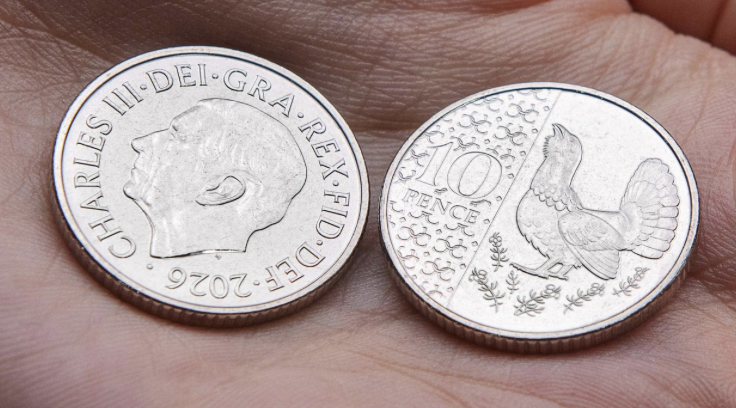
The British 10 pence coin has been part of everyday life for more than fifty years. Found in millions of wallets, purses, tills and cash registers across the United Kingdom, it is one of the country’s most recognisable circulating coins. In August 2026, the Royal Mint released the first 10p coin to feature the portrait of King Charles III, marking another important milestone in the history of British coinage. More than 7 million new coins have entered circulation through banks, Post Offices and retailers, ensuring that many people will soon begin finding them in their everyday change.
The introduction of the new 10p coin is far more significant than a simple change of monarch. It forms part of an entirely redesigned definitive coin series celebrating the United Kingdom’s wildlife, replacing the heraldic designs that had appeared on British coins for almost two decades. For collectors, history enthusiasts and anyone interested in British currency, the new 10p represents the beginning of a new chapter.
Britain’s First Circulating 10p Featuring King Charles III
Following the accession of King Charles III in 2022, the Royal Mint began gradually introducing new circulating coins bearing the King’s official portrait. The 50p was the first denomination to enter circulation, followed by the £1 and 5p coins.
The 10p is the latest denomination to receive the new portrait, making it the first circulating 10 pence coin in British history to feature King Charles III. The release has been driven by normal demand for replacement coinage rather than a wholesale withdrawal of existing coins. As older coins naturally wear out, they are replaced with new issues featuring the King’s portrait.
Importantly, there is no need to exchange older coins. Every current-sized 10p coin bearing Queen Elizabeth II remains legal tender and will continue circulating for many years.
Two Different Dates to Look For
One unusual aspect of the new release is that not every coin carries the same date.
The Royal Mint has released approximately:
- 600,000 coins dated 2023
- 6.5 million coins dated 2026
The smaller group of 2023-dated coins was struck when the new definitive designs were first introduced but held back until additional 10p coins were required for circulation. As a result, both dates are entering circulation together.
This makes the 2023 issue considerably less common than its 2026 counterpart simply because far fewer examples have been released.
The Portrait of King Charles III
The obverse of the new coin features the official portrait of King Charles III, created by British sculptor Martin Jennings.
Following centuries of British tradition, the King faces to the left, opposite to Queen Elizabeth II, whose portrait faced to the right. This alternating direction has been followed by British monarchs for hundreds of years.
Unlike many historical royal portraits, the King is shown without a crown. The design has a clean, natural appearance intended to reflect the modern style adopted across Britain’s new circulating coinage.
Around the edge appears the traditional Latin inscription:
CHARLES III • DEI • GRA • REX • FID • DEF
This translates to:
“Charles III, by the Grace of God, King, Defender of the Faith.”
The Capercaillie Takes Centre Stage
Perhaps the biggest change appears on the reverse.
Since 2008, British 10p coins have displayed part of Matthew Dent’s Royal Shield design. That familiar image has now been replaced by a beautifully detailed capercaillie.
The capercaillie is Britain’s largest grouse and one of its rarest native birds. Once widespread throughout Scotland’s ancient pine forests, the species has suffered severe population decline and is now considered one of the UK’s most threatened birds.
The Royal Mint selected the capercaillie as part of a wider series celebrating British wildlife and encouraging greater public awareness of native species and conservation.
The bird is shown standing proudly with its characteristic fan-shaped tail, detailed plumage and distinctive posture. Alongside the image appears the denomination “10 PENCE”, creating a design that is both elegant and instantly recognisable.
Why British Coins Have Been Redesigned
The redesign represents one of the most significant changes to British circulating coinage since 2008.
Rather than continuing the heraldic shield introduced during Queen Elizabeth II’s reign, the new definitive series celebrates the natural environment across the United Kingdom.
Each denomination now features a different animal or plant, including:
- Hazel dormouse (1p)
- Red squirrel (2p)
- Oak leaves (5p)
- Capercaillie (10p)
- Puffin (20p)
- Atlantic salmon (50p)
- Bees (£1)
- National flowers (£2)
Together they create a modern coin series reflecting biodiversity, conservation and the King’s long-standing interest in protecting the natural world.
A Brief History of the 10 Pence Coin
Although the new design is recent, the 10p denomination has a much longer history.
The first decimal 10p coin entered circulation in 1968, three years before Decimal Day on 15 February 1971.
Its purpose was to help the public become familiar with decimal currency before the UK’s official conversion.
Interestingly, the original 10p had exactly the same value, size and weight as the old florin (two shillings), allowing both coins to circulate together until the florin was eventually withdrawn.
The first decimal 10p featured:
- Christopher Ironside’s crowned lion design on the reverse.
- The words “NEW PENCE” until 1981.
- “TEN PENCE” from 1982 onwards.
This original larger coin remained in circulation until 1993.
The Smaller 10p
During the early 1990s, the Royal Mint reviewed Britain’s coinage to make coins lighter and cheaper to manufacture.
As a result, a smaller 10p coin was introduced in September 1992.
Today’s coin measures:
| Specification | Detail |
|---|---|
| Diameter | 24.5 mm |
| Weight | 6.5 g |
| Thickness | 1.85 mm |
| Composition | Nickel-plated steel |
| Edge | Milled |
The older larger 10p ceased to be legal tender in 1993.
From Lions to Shields to Wildlife
The reverse of Britain’s 10p has now featured three major designs.
1968–2008: The Crowned Lion
Christopher Ironside’s iconic crowned lion represented England and became one of Britain’s most recognisable decimal coin designs.
2008–2026: The Royal Shield
Matthew Dent’s redesign formed part of a larger Royal Shield spread across six different denominations, with each coin displaying one section of the complete shield.
2026 Onwards: The Capercaillie
The latest design celebrates British wildlife and forms part of the King’s definitive coin series.
Each redesign reflects changing artistic tastes while maintaining continuity within British currency.
The Popular A–Z 10p Series
No discussion of British 10p coins would be complete without mentioning the immensely popular A–Z Great British Coin Hunt.
First released in 2018, twenty-six different designs celebrated iconic aspects of British life, including:
- Angel of the North
- Cricket
- Fish and Chips
- NHS
- Stonehenge
- Tea
- Zebra Crossing
Because relatively few entered circulation, many people continue searching through their change hoping to complete a full alphabet collection.
The A–Z series helped introduce an entirely new generation to coin collecting and remains one of the Royal Mint’s most successful circulating programmes.
Will the New 10p Be Difficult to Find?
Initially, yes.
Although more than seven million examples are entering circulation, Britain currently has over 24 billion circulating coins. King Charles III coins therefore still make up only a very small proportion of all coins in everyday use.
Most people are therefore likely to continue receiving Queen Elizabeth II coins in their change for many years.
As more coins gradually enter circulation through normal banking channels, the new design will become increasingly common.
Can You Exchange British 10p Coins?
Current British 10p coins remain legal tender and can be spent throughout the United Kingdom.
However, if you have older withdrawn British coins, pre-decimal currency or demonetised UK banknotes, Webuyallcurrency.com can exchange many eligible British coins and banknotes that are no longer accepted by banks or retailers. This includes exchanging old round £1 coins and pre-decimal coins as well as foreign coins and notes.
A Fresh Look for a Familiar Coin
The arrival of the King Charles III 10p coin represents one of the most significant developments in British circulating coinage for many years. Combining a new royal portrait with a striking depiction of the endangered capercaillie, the coin reflects both Britain’s constitutional traditions and its growing emphasis on protecting the natural environment.
Whether you receive one in your supermarket change, from a local café or while withdrawing cash, the new 10p is more than simply another coin. It represents the next chapter in the story of British currency and is likely to become a familiar sight in pockets across the country for decades to come.